Water Purification Systems: How to Guarantee Safe and Pure Drinking Water
Water treatment systems play an essential role in providing safe and purified drinking water. A large number of homes deal with a range of contaminants that can affect water quality. Understanding these risks is the essential first step. From bacteria to heavy metals, the kinds of contaminants differ significantly. Selecting a suitable purification method can have a major impact on health and safety. However, how can one navigate the available options? Reviewing the necessary steps can deliver clarity and useful guidance.
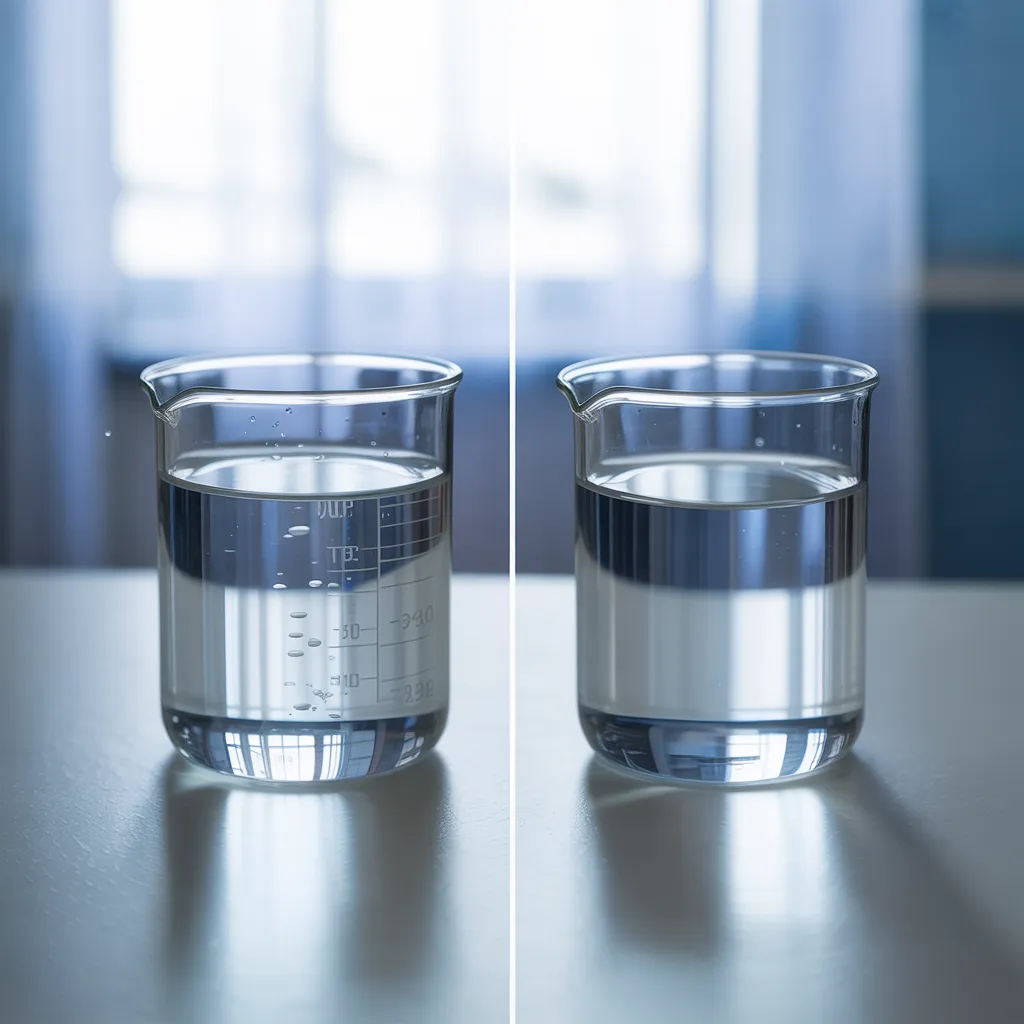
Recognizing the Importance of Water Purification
As awareness of these issues grows, so does the requirement for reliable water filtration systems. These systems help remove impurities, ensuring that water is safe for consumption and daily use. From basic filtration units to sophisticated purification methods, a variety of solutions have been developed to tackle particular pollution concerns. Investing in water purification is not merely a personal choice; it is a necessary step toward protecting wellbeing and encouraging environmental responsibility in an progressively deteriorating global ecosystem.
Recognizing Contaminants in Your Water
How can individuals guarantee the safety of their drinking water? Identifying contaminants is essential in guaranteeing clean and safe consumption. Numerous elements can degrade water quality, including bacteria, heavy metals, pesticides, and industrial chemicals. In order to uncover these pollutants, individuals may rely on water testing kits, which are easily obtainable and deliver a convenient means of analysis.
Additionally, laboratory analysis services offer a more detailed analysis, pinpointing individual pollutants and their concentration levels. Regular testing is suggested, particularly for personal wells or locations with existing contamination problems.
Individuals must also remain updated on local water quality reports, which commonly identify potential contaminants in municipal supplies. By identifying the precise dangers found in their water source, residents can arrive at well-considered choices about required filtration techniques and ensure the purity and safety of their household water supply.
Introduction to Common Water Purification Technologies
Water purification technologies are essential for ensuring safe drinking water. Popular techniques include activated carbon filtration, which successfully clears contaminants from water, reverse osmosis units that purify water by targeting contaminants at the molecular level, and UV disinfection methods that eliminate harmful microorganisms. All of these technologies deliver specialized advantages suited to various water quality issues.
Activated Charcoal Filtration
Activated carbon filtration successfully filters out impurities from water, establishing it as a widely used solution in purification systems. This method makes use of activated carbon, a medium possessing a large surface area that adsorbs pollutants such as chlorine, volatile organic compounds, and select heavy metals. The method improves taste and odor, significantly enhancing water quality. It is frequently applied in diverse contexts, including home filtration units, municipal water treatment, and industrial operations. Although activated carbon filtration works well against numerous contaminants, it may not eliminate all pathogens or dissolved minerals. As a result, it is often used in conjunction with other purification methods to guarantee thorough water treatment. Periodic replacement of carbon filters is critical to sustain performance and prevent the proliferation of bacteria within the filtration system.
Reverse Osmosis Filtration Systems
Reverse osmosis systems stand out as a highly effective method for water purification, using a semi-permeable membrane to eliminate numerous contaminants. This method is especially effective at removing dissolved solids, heavy metals, and harmful microorganisms, making it ideal for improving water quality. Water is forced through the membrane under pressure, permitting only water molecules to flow through while filtering out larger particles and contaminants. This process yields purified water that is largely free of harmful contaminants. Many households and industries utilize reverse osmosis systems due to their efficiency and reliability. Regular maintenance and filter replacement are essential to guarantee peak performance. Ultimately, reverse osmosis remains a Spokane Valley Plumber key pillar of modern water treatment solutions, making a substantial contribution to the availability of safe, clean drinking water.
UV Sterilization Techniques
Across different water purification technologies, UV disinfection methods offer a highly effective solution for guaranteeing water safety. This method employs ultraviolet light to eradicate harmful microorganisms, including bacteria, viruses, and protozoa. The process involves exposing water to UV-C light, which damages the DNA of pathogens, making them unable to reproduce and cause disease. UV disinfection is chemical-free, making it an environmentally friendly option, and it does not change the water's taste or odor. However, it is important to note that UV systems require clear water to be effective, as turbidity can protect microorganisms from UV contact. Regular maintenance and lamp replacement are essential for optimal performance, guaranteeing that the system effectively provides safe drinking water.
How to Select Your Water Purification System
Choosing the best water filtration system starts with analyzing the condition of the water being treated. Determining particular purification demands is necessary to confirm successful removal of contaminants. This thoughtful method establishes the groundwork for choosing an appropriate system customized to meet personal preferences.
Assess Your Water Quality
What is the best way to determine the most suitable water purification system for their needs? The primary step involves examining the condition of the water supply. This can be done through water testing, which reveals contaminants such as chemical pollutants, bacteria, and heavy metals. Residents may opt for test kits available at local stores or turn to professional services for thorough analysis. Understanding the specific impurities contained in the water is vital, as different purification systems address different contaminants. Additionally, local water quality reports can shed light on broader issues influencing community water sources. By obtaining accurate information about water quality, people can arrive at educated choices regarding the most effective purification system to guarantee safe and clean drinking water.
Understand Your Purification Needs
Following a thorough water quality assessment, people can start to determine their specific purification needs. They should consider key aspects like the kinds of pollutants detected—be it bacteria, heavy metals, or chemicals—and the amount of water needed on a daily basis. It is also essential to assess the needs of the household, including the count of people living in the home and any particular factors, such as babies or aging relatives. Financial limitations can impact the choice, as various systems may involve larger initial outlays or continuous maintenance fees. Furthermore, it is advisable to assess the installation process and space availability for the system. Ultimately, understanding these elements will guide individuals in choosing a filtration system that effectively addresses their unique water quality concerns and lifestyle requirements.
Setting Up and Installing Your Water Purification System
Installing a water purification system can be a simple process when done systematically. Initially, the individual should thoroughly read the manufacturer's guidelines specific to the chosen system. This ensures that all components are accounted for and that installation steps are clearly understood.
Additionally, it is crucial to select an suitable location, ideally near a water connection and a electrical outlet, if required. The setup generally involves linking the system to existing plumbing, which may necessitate basic tools such as screwdrivers and wrenches.
After securing the connections, the user must check the system for leaks and ensure proper operation, ensuring that every seal is properly tightened. Lastly, it is strongly suggested to allow the system to run for a short time before putting it into use to eliminate any residual impurities. Following these steps will lead to a successful installation, paving the way for safe and clean drinking water.
Maintenance Tips for Long-Lasting Water Purification
Upkeeping a water purification system is crucial for protecting its durability and efficiency. Periodically examining and updating filters as outlined by the manufacturer's instructions can substantially boost performance. Accumulated contaminants may obstruct the filtration process leading to lower water quality. Furthermore, cleaning the system's components, particularly tanks and dispensers, works to prevent the buildup of bacteria and sediment.
Inspecting the unit for leaks or strange noises is equally important, as these may suggest hidden problems that require urgent action. Keeping the system in a properly ventilated and dry location can minimize damage from moisture and heat. Periodically inspecting and tightening connections guarantees a stable configuration, preventing water loss and maintaining efficiency. Additionally, keeping a log of maintenance activities establishes a reliable history, making it easier to plan for future needs and replacements. By following these maintenance tips, owners can ensure their water treatment systems function at optimal performance for the long term.
Reasons You Should Test Your Water on a Regular Basis
Regular water testing is an essential element of ensuring the effectiveness of any water purification system. By routinely analyzing the quality of water, people can detect pollutants that may compromise overall well-being. Testing helps detect dangerous contaminants such as bacteria, heavy metals, and chemical pollutants, allowing for timely intervention before concerns develop further.
In addition, periodic testing delivers important data on the efficiency of water treatment systems. As time passes, filters and membranes may degrade, limiting their capability to treat water properly. Test findings can guide required maintenance or improvements, guaranteeing peak functionality.
Moreover, water quality can fluctuate owing to elements including seasonal changes or nearby industrial activities. Consistent testing supports awareness of such changes, allowing individuals to take informed steps regarding their water supply. In the end, routine water testing functions as a forward-thinking approach to preserve health and secure access to safe drinking water.
Questions We Often Receive
Can Water From Any Source, Including Rivers or Lakes, Be Purified?
Indeed, water from sources like lakes or rivers is capable of being purified. However, effective filtration and treatment processes are required to remove contaminants, ensuring the water is safe for drinking and free from harmful pathogens.
What Are the Ecological Effects of Water Purification Systems?
Water purification systems can lead to habitat disruption, high energy usage, and harmful chemical discharge. The installation of such systems may reduce natural water sources' purity, affecting ecosystems, while inadequate disposal of waste materials presents further threats to the health of the environment.
What Does a Quality Water Purification System Cost?
An effective water purification system generally runs between $100 and $1,500, influenced by the technology and capacity. Considerations like installation, maintenance, and additional features can further influence the overall expense for homeowners.
Can Water Purification Systems Present Any Health Risks?
Yes, there can be safety concerns linked to the use of water filtration systems, including bacterial growth resulting from improper maintenance, chemical contamination from filter materials, and inadequate removal of contaminants. Regular monitoring and maintenance are essential for safety.
What Is the Time Required to Purify Water?
The duration needed to purify water differs depending on the method used; basic filtration can be completed in minutes, while reverse osmosis units may require multiple hours to complete the process. Elements like water quality and system performance can further affect how long purification takes.